


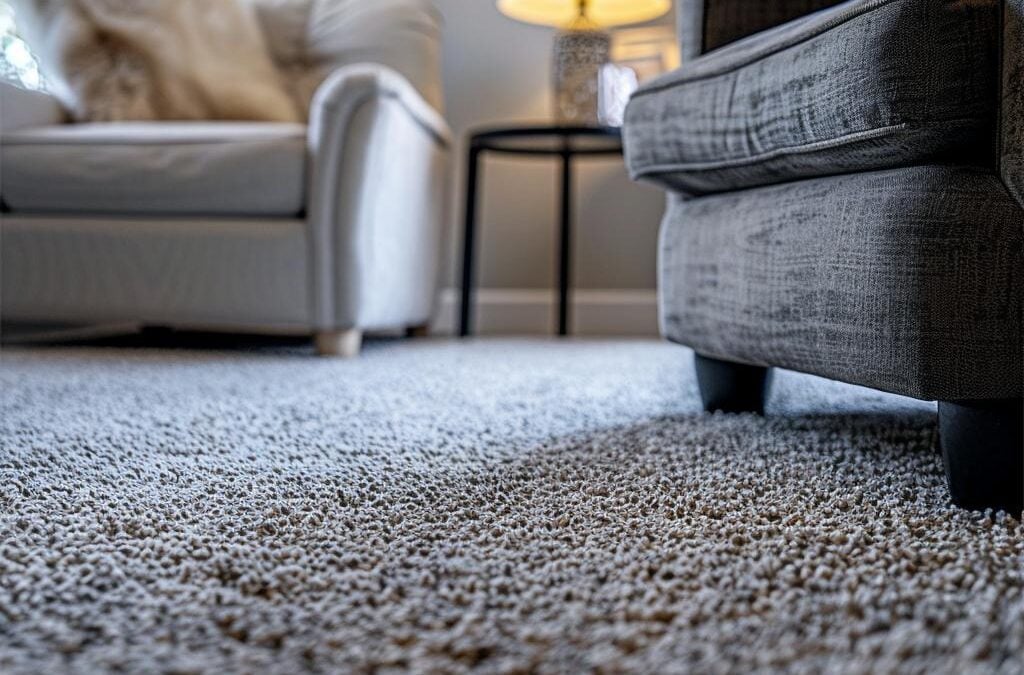
When considering how often should you clean carpets, professional carpet cleaning in Madison, WI protects indoor environmental health, preserves floor textile structural integrity, and extends carpet lifespans across residential and commercial properties throughout Dane County. Standard residential households require professional hot water extraction every 12 to 18 months to eliminate deeply embedded particulate soils, satisfy major carpet manufacturer warranty requirements, and remove trapped airborne contaminants. High-traffic living areas, homes with active children or shedding pets, and living spaces occupied by allergy or asthma sufferers benefit significantly from deep extraction performed every 6 to 9 months. Understanding how often should you clean carpets helps property owners prevent abrasive sand grains, sharp mineral particulates, microscopic pollen grains, and animal dander from permanently cutting fibers at the subfloor level.
Madison property owners face demanding environmental pressures throughout all four distinct Midwest seasons, each introducing specialized soil types into interior spaces. Daily foot traffic forces gritty debris deep into tufted carpet backings, where sharp mineral edges slice through synthetic yarn strands under foot pressure. Regular domestic vacuuming removes loose surface particles but leaves sticky oily films, atmospheric pollutants, and microscopic allergens bonded firmly to textile fibers. Property managers evaluating how often should you clean carpets must consider high-powered truck-mounted extraction equipment, eco-friendly surfactant formulations, and controlled thermal energy to emulsify and extract heavy soils without overwetting carpet padding or damaging delicate fiber backings.
Community Context & Seasonal Climate Impact
Dane County weather patterns subject interior textiles to intense environmental contamination throughout the year. Regional temperature shifts, Yahara Lakes humidity fluctuations, and seasonal foliage cycles continuously introduce specialized pollutants into local homes and businesses.
Springtime across Southern Wisconsin brings widespread tree pollen dispersion that settles onto clothing, footwear, and pets, transferring directly onto hallway carpets and living area rugs. Frequent spring rain showers turn Dane County soil into dense mud, which easily tracks past entryway mats into high-traffic corridors and residential living spaces. Knowing how often should you clean carpets during wet spring months ensures damp mud does not set permanently into natural wool or synthetic nylon strands.
Summer introduces high relative humidity across the Yahara Lakes region, causing hydrophobic synthetic carpet fibers to retain micro-dust while elevating moisture levels within deep pile yarns. Elevated indoor humidity creates optimal breeding conditions for dust mites and increases fungal spore retention within untreated carpet padding. Homeowners frequently ask how often should you clean carpets in humid summer climates to mitigate mold risks and control dust mite populations.
Autumn brings decaying organic leaf debris, lawn care chemicals, and damp yard particles that stain lighter synthetic textiles. As fall temperatures cool and heating systems activate, fine indoor particulate dust recirculates throughout rooms, settling deep into tufted yarn bases. Establishing how often should you clean carpets before winter minimizes recirculating dust and seasonal organic stains.
Winter presents the harshest physical threat to Madison carpets through extensive application of sodium chloride, calcium chloride, and chemical ice-melting compounds across driveways and sidewalks. Tracked-in salt crystals dry inside carpet backings, forming sharp alkaline deposits that slice yarn fibers, attract atmospheric moisture, and leave chalky white residue rings across home entryways. Determining how often should you clean carpets after winter prevents salt crystallization from permanently damaging entryway floor coverings.
Extracted Certifications & Technical Process
Professional carpet restoration relies on precise chemical dynamics, controlled thermal energy ranges, and industrial truck-mounted vacuum recovery systems to clean textiles thoroughly without causing structural backing damage or pad saturation. Certified technicians bring over 16 years of industry expertise, utilizing top-of-the-line equipment registered as child and pet-safe.
Technicians execute a rigorous, multi-stage cleaning protocol engineered to achieve deep soil emulsification, complete allergen removal, and rapid indoor drying times:
-
Comprehensive Pre-Inspection: Field specialists evaluate fiber composition, carpet backing construction, existing stain chemistry, and wear patterns while advising clients on how often should you clean carpets based on specific household usage.
-
Commercial Dry Soil Extraction: Industrial-grade HEPA vacuuming removes loose particulate debris prior to liquid application, preventing mud formation within carpet backing.
-
Targeted Pre-Conditioning: Specialized eco-friendly surfactant pre-sprays break surface tension, penetrating deep yarn shafts to dissolve sticky greases and emulsify oily soils.
-
Mechanical Agitation: Counter-rotating brush machinery agitates pre-conditioning agents deep into carpet pile, separating bonded soil particles from synthetic and natural fibers.
-
High-Temperature Hot Water Extraction: Truck-mounted units inject superheated water into carpet yarns under regulated pressure, instantly flushing suspended soils and contaminants directly into a self-contained waste tank.
-
Specialized Post-Spotting Treatment: Technicians apply targeted reducing and oxidizing agents to eliminate stubborn remaining discolorations, such as pet stains, coffee spills, or ink marks.
-
Pile Grooming & Accelerated Drying: Professional carpet combs align yarn fibers upright to optimize airflow, enhance visual presentation, and promote rapid drying within 4 to 8 hours.
Key Rule: Routine vacuuming removes loose surface dust, but understanding how often should you clean carpets with high-temperature hot water extraction is mandatory to dissolve bonded oils, extract heavy mineral salts, and maintain valid carpet manufacturer warranties.
Recommended Cleaning Intervals & Maintenance Schedules
Tailoring carpet maintenance schedules to specific lifestyle factors ensures optimal floor longevity, visual cleanliness, and healthy indoor air quality across diverse property environments. Deciding how often should you clean carpets depends on occupancy levels, active pets, and foot traffic patterns.
| Household Profile | Recommended Vacuuming Routine | Professional Hot Water Extraction Schedule |
| Low-Traffic Adult Residence | 1 time per week | Every 18 to 24 months |
| Standard Family (No Pets) | 2 to 3 times per week | Every 12 to 18 months |
| Active Pets & Children | 3 to 5 times per week | Every 6 to 9 months |
| Respiratory & Allergy Sufferers | Daily HEPA vacuuming | Every 3 to 6 months |
| Commercial Offices & Retail | Daily maintenance | Every 3 to 6 months |
Maintaining consistent cleaning intervals prevents deep soil buildup that permanently damages carpet yarn pile. Single adults living in low-traffic environments assessing how often should you clean carpets require extraction every two years, whereas high-occupancy households with multiple pets require frequent deep cleaning to manage dander, skin scales, and tracked outdoor debris. Commercial environments subject to continuous public foot traffic demand quarter-based maintenance programs to protect floor tile investments and entry runners.
Localized Heritage & Proximity
Delivering specialized carpet care across Dane County requires thorough familiarity with local housing styles, commercial spaces, and regional architectural characteristics.
Historic properties near the Wisconsin State Capitol feature intricate hardwood flooring and delicate natural wool area rugs requiring specialized low-moisture pH-balanced cleaning techniques. Property managers in historic districts often inquire how often should you clean carpets made of natural wool to avoid overwetting delicate fibers. Student apartments and residential rentals surrounding the University of Wisconsin-Madison campus experience intense foot traffic, requiring heavy-duty soil emulsification and rapid extraction protocols. High-traffic commercial properties along West Towne Mall rely on scheduled off-hours encapsulation and hot water extraction to maintain heavy-duty commercial carpet tiles.
Surrounding Dane County communities receive fast dispatch for routine maintenance and emergency water extraction:
-
Middleton: Suburban residential properties near Pheasant Branch Conservancy regularly schedule deep extraction to eliminate fine outdoor silt, pollen, and tracking mud.
-
Sun Prairie: Expanding multi-level housing developments frequently consult technicians regarding how often should you clean carpets for advanced pet stain neutralization and deep carpet sanitization treatments.
-
Fitchburg: Commercial complexes and residential neighborhoods schedule seasonal deep cleaning to purge accumulated winter road salt and sand grit from entryway carpet systems.
-
Verona: Residential developments near suburban trail networks require specialized dirt extraction after wet seasonal transitions.
-
Waunakee: Family neighborhoods maintain annual hot water extraction schedules to clear high-traffic living room carpeting and stair runners.
Map Narrative & Travel Directions
Reaching central operations from prominent city landmarks is straightforward via major local transportation corridors.
Navigating from the historic Wisconsin State Capitol in downtown Madison:
- Head southwest on West Washington Avenue away from Capitol Square.
- Merge onto US-12 West / US-14 West (Beltline Highway) heading west past the UW Arboretum.
- Take Exit 255 for Whitney Way, turning right to proceed north past local commercial plazas.
- Turn left onto University Avenue, traveling west toward Middleton commercial districts.
- Turn right onto Sawyer Terrace to arrive at the central facility.
The operational headquarters at 602 Sawyer Terrace, Madison, WI 53705, USA serves as the central dispatch hub for certified cleaning technicians serving all of Dane County, offering expert consultation on how often should you clean carpets.
Technical Glossary
| Industry Term | Localized Definition |
| Surfactant | A chemical formulation that reduces water surface tension, enabling cleaning solutions to penetrate dense textile fibers effectively. |
| Hydrophobic | The physical property of synthetic carpet fibers to repel liquid water while readily attracting oily soils and atmospheric greases. |
| pH-Balanced Rinse | A neutralizing rinse applied during extraction to prevent stiff yarn texture, sticky re-soiling, and fiber dye bleeding. |
| Emulsification | The chemical breakdown of complex oils and greases into microscopic droplets suspended in liquid for easy vacuum recovery. |
| Hot Water Extraction | A high-pressure cleaning methodology that injects heated water into carpet pile while simultaneously extracting suspended soils. |
Frequently Asked Questions
How often should you clean carpets in a Madison, WI home? Standard residential homes require professional hot water extraction every 12 to 18 months to preserve fiber integrity, remove trapped pollutants, and maintain carpet manufacturer warranties.
How often should you clean carpets when living with active pets? Homes with dogs or cats require professional deep cleaning every 6 to 9 months to eliminate pet dander, organic oils, tracking dirt, and deep-seated urine odors.
How often should you clean carpets if household members have allergies? Allergy or asthma sufferers should schedule professional hot water extraction every 3 to 6 months to remove micro-pollen, dust mites, and airborne particles.
How often should you clean carpets in high-traffic commercial spaces? Commercial spaces and office corridors subject to constant public foot traffic require professional extraction every 3 to 6 months.
Does hot water extraction damage synthetic carpet fibers? No, professional hot water extraction utilizes controlled water temperatures and pH-balanced rinses that protect synthetic carpet fibers from premature wear.
How long do carpets take to dry after deep steam extraction? Most carpets dry completely within 4 to 8 hours when proper ventilation, indoor HVAC systems, or ceiling fans remain active.
Will professional carpet cleaning remove stubborn pet urine odors? Specialized enzyme treatments penetrate subfloor levels to break down uric acid crystals, permanently eliminating persistent pet urine odors.
Why does winter road salt damage entryway carpets? Road salt contains calcium chloride and sodium chloride compounds that crystallize within carpet backings, causing abrasive yarn cutting and white chalky stains.
What is the difference between dry carpet cleaning and hot water extraction? Dry carpet cleaning uses chemical absorbent powders to clean surface fibers, whereas hot water extraction flushes deep soils out from carpet backings.
Can regular vacuuming replace professional carpet cleaning? Vacuuming removes surface dirt, but fails to extract oily residues, sticky spills, embedded allergens, and deep subfloor contaminants.
Does professional carpet cleaning help reduce indoor allergy symptoms? Yes, deep hot water extraction removes microscopic tree pollen, dust mites, pet dander, and fungal spores trapped inside dense carpet pile.
How often should you clean carpets to maintain factory warranties? Major carpet manufacturers explicitly require professional hot water extraction every 12 to 18 months performed by certified technicians to keep warranties valid.
Steam Plus Carpet Cleaning and Water Restoration operates from 602 Sawyer Terrace, Madison, WI 53705, USA.