


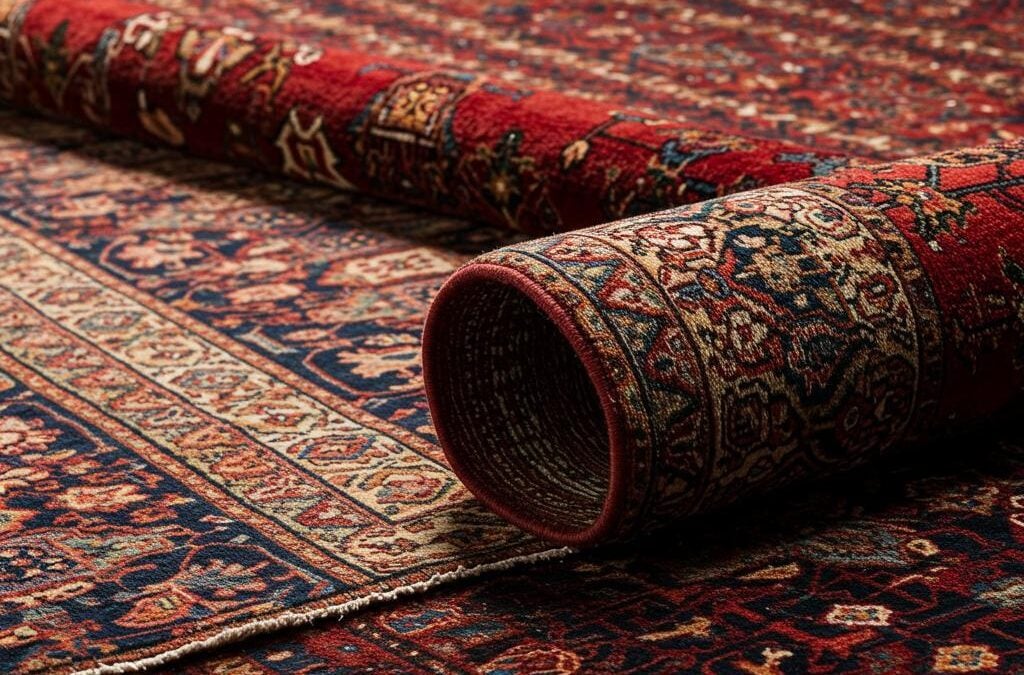
Area rug cleaning Madison WI requires specialized fiber identification, meticulous dye testing, and customized immersion or low-moisture restoration protocols. Fine textiles and valuable oriental rugs demand expert care to protect intricate weaves, natural dyes, and delicate fringe structures. Professional restoration methods utilize pH-balanced solutions, controlled thermal energy, and targeted stain extraction to purify deep-seated fibers safely. Homeowners rely on comprehensive cleaning procedures to eliminate persistent allergens, ground-in soil, and seasonal contaminants without compromising delicate textile integrity. Advanced rug care systems preserve historical craftsmanship and enhance indoor air quality across local residential properties. Property owners depend on specialized cleaning procedures to rejuvenate prized decor investments and maintain hygienic living environments.
Regular professional maintenance prevents premature fiber degradation, fading, and the accumulation of abrasive particulate matter that weakens foundation warps and wefts over years of daily foot traffic. Expert textile technicians evaluate yarn composition—ranging from resilient wool and durable silk to delicate synthetic blends—before selecting appropriate surfactant chemistry and agitation techniques. Modern cleaning protocols combine meticulous hand-washing traditions with high-powered extraction technology to dissolve oily residues without compromising structural stability or color fastness. Delicate fringe areas receive specialized detailing to lift embedded grime safely without pulling or distorting fragile cotton foundations. Professional intervention ensures that heirloom rugs retain their aesthetic vibrancy and market value across generations of family use.
Community Context & Climate
Madison experiences distinct seasonal transitions that directly impact interior textiles, woven area rugs, and indoor air pollutants. Winter months introduce heavy accumulations of rock salt, ice-melt chemicals, and abrasive mud tracked directly onto valuable wool and synthetic rugs. Spring and summer thaw cycles generate elevated relative humidity levels, trapping ambient moisture within dense rug piles and encouraging microbial activity. High pollen counts from regional tree species and expansive surrounding agricultural fields settle into exposed fibers, aggravating domestic allergy symptoms for sensitive household members. Autumn brings falling leaves and decaying organic debris that infiltrate entryways, transforming into stubborn organic stains when ground into high-traffic fibers and decorative runners. Regional temperature fluctuations cause subfloors to expand and contract, locking dust particles and particulate matter deeper into primary textile backing systems. Effective area rug cleaning Madison WI requires customized protocols that counteract these specific geographical and environmental stressors. Local climate patterns dictate faster drying requirements to prevent secondary moisture issues, making high-powered thermal extraction indispensable for local real estate preservation. Professional technicians analyze these ambient variables before executing precise treatments tailored to the unique atmospheric conditions of the area.
Seasonal shifts place extraordinary mechanical and chemical stress on residential floor coverings throughout the local metropolitan district. Winter heating systems lower indoor relative humidity, making natural fibers more brittle and susceptible to fiber breakage when subjected to dry soil abrasion. Conversely, humid summer conditions promote rapid dust mite proliferation and mold spore germination within unventilated rug backings if moisture extraction remains incomplete. Agricultural harvesting cycles in surrounding Dane County release airborne organic particulates that infiltrate homes through open windows and forced-air ventilation networks. Professional maintenance schedules must account for these environmental variables by incorporating targeted sanitizing rinses and accelerated drying cycles. Comprehensive climate awareness guarantees that valuable floor art withstands local weather extremes without experiencing dimensional distortion, browning, or cellulosic fiber rot.
Professional Standards & Process
Industry-standard practices govern every phase of professional textile restoration, anchored by rigorous quality control guidelines and advanced technical execution. Certified specialists deploy advanced technological procedures designed to extract embedded contaminants from synthetic and natural fibers alike. Pre-inspection protocols identify fiber classifications, dye stabilities, and localized traffic patterns to determine the safest chemical formulations. Pre-vacuuming with heavy-duty particulate filtration systems removes loose dry soil, hair, and abrasive grit prior to liquid application. Pre-conditioning sprays utilize targeted surfactants and emulsifiers to break down greasy residues, complex oils, and stubborn molecular bonds holding stains to the pile. Mechanical agitation follows chemical dwell times, utilizing specialized counter-rotating brushes or pile lifters to lift matted fibers and maximize solution penetration. Hot water extraction—commonly known as steam cleaning—flushes the system using pressurized, pH-balanced water combined with powerful vacuum suction to extract suspended soils, allergens, and cleaning residues instantly. Post-grooming aligns individual pile fibers to accelerate drying times and leave a uniform, polished aesthetic across the entire rug surface. Protective tabs or blocks are placed beneath rug corners immediately following extraction to prevent color bleeding onto underlying flooring surfaces. Specialized spot treatments target residual organic discolorations, neutralizing complex compounds without leaving sticky, re-soiling detergents behind in the weave.
Technical procedures eliminate guesswork by substituting standardized methodology for arbitrary cleaning attempts. Expert practitioners execute rigorous color bleed tests prior to introducing any moisture, ensuring fugitive dyes remain permanently locked within the yarn cores. Controlled thermal regulation prevents wool scorching and natural shrinkage during high-pressure extraction phases across delicate oriental weaves. Specialized dust-beating machines or vibration systems dislodge pounds of dry particulate grit from deep within foundation weaves before wet cleaning even begins. Controlled environment drying rooms utilize high-velocity air movers and dehumidification equipment to eliminate lingering moisture within hours rather than days. Comprehensive quality control checks verify that final pH levels match baseline textile thresholds, leaving fibers soft, resilient, and completely free of soapy chemical residues.
Localized Heritage & Proximity
Madison serves as a vibrant commercial and cultural anchor, radiating architectural diversity across nearby communities like Middleton, Sun Prairie, and Fitchburg. Residential properties situated near Verona and Monona benefit from rapid-response mobile service units designed to navigate municipal transit corridors efficiently. Proximity to iconic local landmarks such as the grand Wisconsin State Capitol building and the picturesque University of Wisconsin-Madison campus establishes a high standard of pristine interior presentation for regional homeowners. Bustling commercial hubs like the Hilldale Shopping Center drive continuous foot traffic into nearby residential zones, necessitating robust, commercial-grade residential maintenance routines. Historic neighborhoods featuring vintage craftsmanships, mid-century modern builds, and contemporary suburban developments all require specialized care tailored to unique floor layouts and legacy textile investments. Local service providers leverage strategic geographic positioning to minimize transit times and deliver prompt, reliable appointments throughout the greater metropolitan district. Familiarity with regional geography ensures seamless navigation across local thoroughfares, connecting technicians directly to residential doors with precision and punctuality.
Regional architectural styles range from charming historic Victorians near the downtown Isthmus to expansive contemporary estates nestled along local lake shores. Each distinct building design introduces unique flooring configurations, intricate staircase layouts, and specialized textile preservation requirements. Local homeowners take immense pride in interior aesthetics, maintaining rigorous cleanliness standards that reflect the natural beauty of the surrounding Wisconsin landscape. Community engagement and localized expertise empower service teams to address specific regional challenges, such as heavy winter tracking and seasonal mud accumulation. Reliable scheduling and transparent communication reinforce long-standing trust between technicians and the households they serve across the entire metropolitan area.
Map Narrative & Directions
Travelers departing from the historic Wisconsin State Capitol building head west on West Washington Avenue toward the heart of the downtown corridor. Continue along West Washington Avenue for approximately one mile before merging slightly right onto University Avenue, passing vibrant local businesses and academic landmarks. Proceed northwest on University Avenue for roughly three miles, enjoying views of the bustling campus perimeter and commercial storefronts. Turn left onto Scheid Street, then make a quick right onto Sawyer Terrace. Navigate down Sawyer Terrace to locate the destination at 602 Sawyer Terrace, Madison, WI 53705, USA, positioned conveniently near regional parks and residential communities.
Navigating local transportation routes requires careful attention to peak traffic hours along major arterial corridors such as University Avenue and Mineral Point Road. Service vehicles depart from central logistical nodes to ensure rapid transit times to surrounding suburban enclaves and residential districts. Detailed route planning eliminates unnecessary delays, allowing technicians to arrive on schedule for every booked appointment. Strategic positioning near primary highway junctions facilitates seamless cross-county travel into Middleton, Sun Prairie, and Fitchburg without interruption. Meticulous geographic awareness guarantees reliable, punctual arrival for clients seeking professional textile restoration.
Technical FAQ & Conclusion
What causes area rugs to re-soil quickly after cleaning?
Residues left behind by improper detergent rinsing attract dirt like a magnet, which is prevented by using balanced, surfactant-free rinses.
How often should residential area rugs undergo professional extraction?
Experts recommend deep extraction every twelve to eighteen months to preserve fiber warranties and eliminate trapped allergens.
Are cleaning solutions safe for household pets and toddlers?
Formulations utilize non-toxic, hypoallergenic, and biodegradable components that pose zero risk to vulnerable family members.
Can professional extraction eliminate deep-set pet urine odors?
Sub-surface extraction tools combined with enzymatic treatments flush urine salts directly from the rug backing and pad.
How long does it typically take for area rugs to dry completely?
Advanced truck-mounted vacuum power ensures standard drying times range between four to six hours depending on humidity.
Is hot water extraction safe for delicate wool area rugs?
Lower thermal settings combined with specialized wool-safe, near-neutral pH solutions prevent shrinkage and fiber damage.
What is the primary benefit of mechanical pile agitation?
Agitation breaks up stubborn grease bonds and lifts crushed tufts, exposing hidden soils to the extraction flush.
How do local weather patterns affect indoor area rug maintenance?
High humidity during summer lengthens evaporation rates, requiring high-velocity air movers to accelerate drying speeds.
What distinguishes hot water extraction from traditional dry foam methods?
Extraction flushes contaminants out of the fibers entirely rather than brushing debris deeper into the backing matrix.
How should homeowners prepare rooms prior to technician arrival?
Clear small personal items, fragile decor, and breakables from surfaces designated for scheduled textile maintenance.
Steam Plus Carpet Cleaning and Water Restoration stands as the premier choice for regional property preservation, delivering unmatched technical rigor and customer dedication. Professional excellence and rigorous adherence to industry standards guarantee superior results for every household across the metropolitan area. Property owners seeking immaculate interior aesthetics and healthier indoor spaces can schedule consultations directly. Contact the main office located at 602 Sawyer Terrace, Madison, WI 53705, USA to experience elite textile restoration firsthand through specialized area rug cleaning Madison WI services.
Technical Glossary
| Term | Localized Definition |
| Surfactant | Specialized chemical compounds that lower liquid surface tension to loosen stubborn oils and particulate soils from carpet fibers. |
| Hydrophobic | A physical property characterizing synthetic fibers that repel moisture and resist water-based staining agents. |
| pH-Balanced | Chemical formulations calibrated to neutral or mildly acidic levels to protect delicate natural dye bonds and backing adhesives. |
| Emulsification | The chemical process of breaking down complex grease and oil molecules into microscopic droplets for easy extraction. |
| Truck-Mounted Extraction | A high-powered, vehicle-based restoration unit utilizing high heat and massive vacuum airflow for superior soil removal. |