

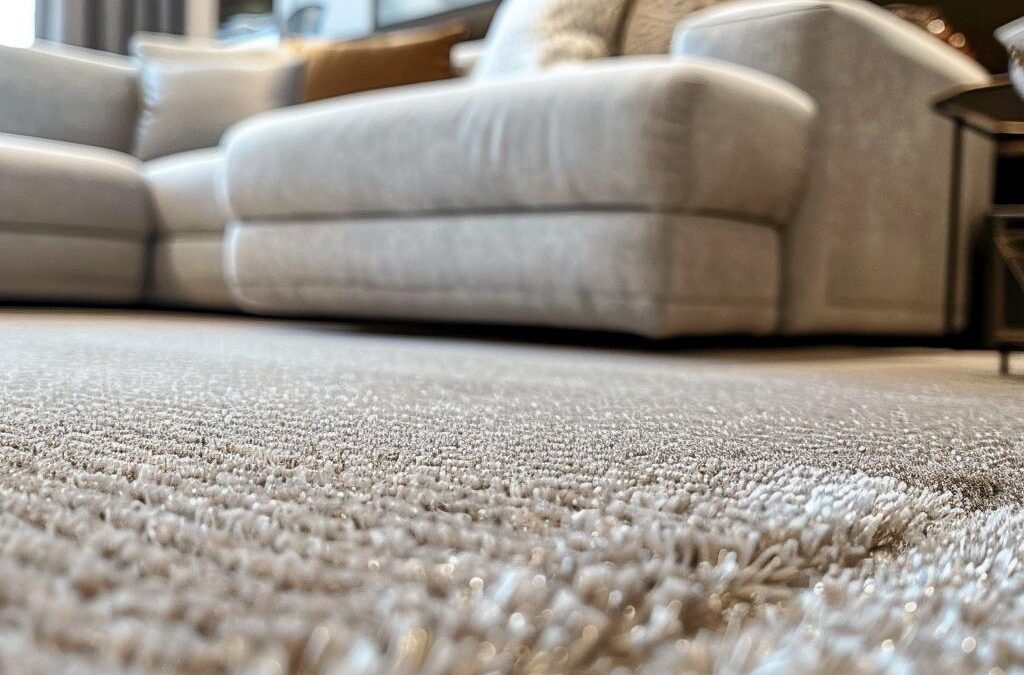
Carpets can change the air you breathe at home and sometimes make allergy symptoms worse. This guide breaks down how carpets and allergens interact, common signs to watch for, and when professional cleaning is the smartest step. Dust mites, pet dander, and mold like to hide deep in carpet fibers — but professional services from teams like Steam Plus Carpet Cleaning and Water Restoration can remove those triggers and improve indoor air quality. Below, we cover the benefits of professional cleaning, easy upkeep tips for an allergy-friendly home, and things to consider when choosing carpet versus hard flooring.
What Are Common Carpet Allergy Symptoms and Their Causes?
Allergies tied to carpets often show up as everyday discomfort. Typical signs include sneezing, a runny or stuffy nose, itchy or watery eyes, and skin irritation. These happen when allergens trapped in the carpet are breathed in or touch the skin. Knowing what causes these reactions helps you manage them more effectively.
Which Allergens Lurk in Carpets Triggering Allergy Symptoms?
Carpets can hide a number of allergy triggers. The most common ones include:
- Dust Mites: Tiny creatures that prefer warm, humid spots and feed on skin flakes — their droppings are a common cause of allergic reactions.
- Pet Dander: Small flakes of skin shed by cats, dogs, and other pets that build up in carpet fibers and can provoke allergies.
- Mold Spores: When carpets stay damp, mold can grow and release spores that irritate the lungs and airways.
- Pollen: Seasonal pollen settles into carpets and can remind allergy sufferers of the outdoors long after they come inside.
Tackling these allergens with the right cleaning and routine care can reduce symptoms and make your home more comfortable.
How Do Dust Mites, Pet Dander, Mold, and Pollen Affect Allergy Sufferers?
Each of these allergens affects people differently, but all can make breathing and daily life harder for sensitive individuals. Dust mite waste contains proteins that are strong allergens and can trigger asthma or other respiratory flare-ups. Pet dander often causes reactions in people already prone to allergies. Mold spores irritate the respiratory system and can worsen asthma, and pollen typically causes seasonal sneezing and nasal congestion. Minimizing exposure — especially in carpets — helps lower the chance of those reactions.
How Does Professional Carpet Cleaning Reduce Allergens and Improve Indoor Air Quality?
Professional carpet cleaning is an important tool for reducing household allergens and improving the air you breathe. Advanced methods, especially hot water extraction, pull dirt, dust, and allergen particles out of carpet fibers instead of just moving them around — which helps lower airborne allergen levels and refreshes your home’s air quality.
What Is Hot Water Extraction and Its Role in Allergen Removal?
Hot water extraction — often called steam cleaning — uses heated water and cleaning solution injected into the carpet to loosen dirt and allergens. Powerful suction then removes the water and the contaminants it carries. This approach reaches deep where vacuums can’t, making it particularly effective against dust mites and pet dander.
How Effective Is Steam Cleaning Against Dust Mites and Pet Dander?
Studies and field experience show that steam cleaning can substantially reduce dust mite counts and remove pet dander from carpets. Many homeowners notice fewer allergy symptoms after a professional steam cleaning, which is why it’s a commonly recommended step for allergy management.
Why Choose Steam Plus for Allergy-Friendly Carpet Cleaning in Madison, WI?
Picking the right cleaner matters. Steam Plus Carpet Cleaning and Water Restoration focuses on eco-friendly, allergy-aware methods backed by experienced technicians. We tailor our approach to each home so you get deeper cleaning without harsh chemicals, and we stand behind the results.
What Eco-Friendly and Allergy-Safe Cleaning Processes Does Steam Plus Use?
Steam Plus uses gentle, environmentally responsible cleaning solutions that are safe for children and pets while still removing allergens effectively. Our goal is to clean thoroughly without introducing unnecessary toxins into your home — a smart choice for families focused on both health and the environment.
What Guarantees and Certifications Support Steam Plus’s Allergy Relief Claims?
Steam Plus operates with trained technicians who follow industry best practices and carry certifications relevant to professional carpet cleaning. We offer guarantees on our workmanship and follow protocols designed to reduce allergen levels, helping customers feel confident in the results.
How Can You Maintain an Allergy-Friendly Home Beyond Professional Cleaning?
Professional cleaning is important, but everyday habits make a big difference too. Simple, regular steps help keep allergen levels down between deep cleanings.
What Are the Best Practices for Regular Vacuuming and Humidity Control?
Try these practical steps to keep allergens in check:
- Regular Vacuuming: Use a vacuum with a HEPA filter to capture fine particles. Aim to vacuum carpets at least once a week — more often in high-traffic or pet areas.
- Humidity Control: Keep indoor humidity under about 50% to discourage dust mites and mold. Dehumidifiers and good ventilation in damp spaces make a big difference.
- Wash Bedding and Curtains: Launder bedding, curtains, and other fabrics in hot water regularly to remove trapped allergens.
Following these habits helps extend the benefits of professional cleaning and keeps your home more comfortable.
How Often Should Carpets Be Professionally Cleaned to Minimize Allergens?
For most homes, a professional carpet cleaning every 12 to 18 months is a solid baseline. If you have pets or household members with allergies, consider cleaning every 6 to 12 months. Regular professional cleaning removes built-up allergens and also helps your carpets look and feel better for longer.
What Are the Benefits of Choosing Carpets Over Hard Flooring for Allergy Sufferers?
Hard floors are often promoted as the easiest option for allergy control, but carpets have advantages too when they’re well maintained. Knowing how each flooring type behaves can help you choose what’s best for your household.
How Do Carpets Act as Filters for Allergens Compared to Hard Floors?
Carpets can trap dust, pollen, and other particles in their fibers, which actually keeps those particles out of the air until they’re cleaned away. By contrast, hard floors may let allergens stay airborne longer. With consistent vacuuming and periodic professional cleaning, carpets can reduce airborne allergens and help create a calmer indoor environment.
What Does Research Say About Carpet Cleaning and Allergy Symptom Reduction?
Research suggests that homes with regularly cleaned carpets report fewer allergy issues than those with neglected carpets. Professional cleaning lowers allergen loads, which many people find leads to noticeable symptom relief.
What Local Allergens Affect Madison, WI Residents and How Does Carpet Cleaning Help?
Madison experiences seasonal spikes in certain pollens and indoor allergens that can settle into carpets. Understanding local patterns helps you time cleanings for the best results.
Which Seasonal Pollens and Indoor Allergens Are Common in Madison, WI?
In Madison, the usual seasonal offenders include:
- Tree Pollen: Peaks in spring and can trigger sneezing and congestion.
- Grass Pollen: Common in summer and a frequent cause of seasonal allergies.
- Ragweed Pollen: Often a major trigger in the fall for many residents.
These pollens can settle into carpets, so timely cleaning during and after peak seasons helps reduce exposure indoors.
How Does Steam Plus Address These Local Allergens Through Cleaning?
Steam Plus uses hot water extraction and targeted treatments to remove pollen, dust mites, pet dander, and mold spores from carpets. Our eco-friendly solutions and proven equipment help ensure homes stay healthier during Madison’s peak allergy seasons.
| Allergen Type | Source | Impact on Health |
|---|---|---|
| Dust Mites | Carpets | Asthma, respiratory issues |
| Pet Dander | Pets | Allergic reactions, asthma |
| Mold Spores | Damp areas | Respiratory irritation |
| Pollen | Seasonal plants | Allergic rhinitis |
Frequently Asked Questions
What are the long-term effects of allergens in carpets on health?
Long-term exposure to carpet-trapped allergens can contribute to chronic respiratory problems like asthma and allergic rhinitis. Regular inhalation of dust mite particles, pet dander, or mold spores may worsen existing conditions or increase sensitivity over time. Keeping carpets clean and controlling humidity are key steps to reduce these risks.
Can using air purifiers help reduce allergens in homes with carpets?
Yes. Air purifiers with HEPA filters capture airborne particles — dust, pet dander, and pollen — and work well alongside carpet cleaning. Place purifiers in bedrooms and common areas for the biggest impact on indoor air quality.
What types of carpets are best for allergy sufferers?
Synthetic fibers like nylon or polyester are usually better choices for people with allergies because they’re less likely to hold onto allergens than natural fibers such as wool. Low-pile carpets are easier to clean, and some products are treated to resist dust mites. Look for hypoallergenic labels and choose a pile that fits your lifestyle.
How can I tell if my carpet needs professional cleaning?
Look for obvious signs like visible stains, lingering odors, or more frequent allergy symptoms among household members. If the carpet feels matted or hasn’t been professionally cleaned in over a year, it’s a good time to schedule a deep clean.
Are there DIY methods for reducing allergens in carpets?
Yes — regular vacuuming with a HEPA-equipped machine, spot-cleaning spills quickly, and shaking out or washing rugs can help. Sprinkling baking soda before vacuuming can neutralize odors. These steps are helpful but should complement, not replace, periodic professional cleanings for deep allergen removal.
What role does humidity play in carpet allergen levels?
Humidity strongly influences allergen growth: high humidity encourages dust mites and mold. Keeping indoor humidity below about 50% with dehumidifiers and good ventilation reduces those risks and helps keep carpets healthier between cleanings.
How can I prepare my home for a professional carpet cleaning service?
Before the cleaners arrive, clear floors of toys, personal items, and lightweight furniture. Vacuuming beforehand removes loose debris and helps our team focus on deep cleaning. If you have pets, set aside a quiet area for them during the service and let us know about any trouble spots or specific concerns so we can treat them properly.
Conclusion
Carpets can both trap and hide allergens — but with the right care, they don’t have to worsen allergies. Professional cleaning reduces allergen loads and improves indoor air quality, while regular maintenance keeps results lasting longer. Choosing an eco-conscious provider like Steam Plus gives you effective cleaning without unnecessary chemicals. Ready to improve your home’s air? Explore our carpet cleaning options and take the first step toward a healthier living space.