


Madison carpets face seasonal stresses—humidity, tracked-in dirt, pet dander, and heavy foot traffic—so the choice between a pro cleaning and a DIY session affects how your floors look, the air you breathe, and how long your carpet lasts. This guide lays out how professional approaches like hot water extraction differ from rental machines and home remedies, and when calling a trained crew is the smarter investment. You’ll get the main benefits professionals deliver, common DIY pitfalls, a local cost comparison (upfront and over time), decision criteria for Madison-area households, and a checklist for picking a reputable local cleaner. We reference local communities—Madison, Sun Prairie, and Middleton—and share practical steps to cut mold risk, protect fibers, and improve indoor air. The goal: help you choose the option that balances budget, health, and long-term value for your carpets.
What Are the Key Benefits of Professional Carpet Cleaning in Madison?
Professional cleaning pulls out deeply embedded soils, allergens, and bacteria by combining mechanical agitation, targeted chemistry, and powerful suction. That reaches particles regular vacuuming misses, lowers indoor allergen levels, and helps restore pile resilience. When pros use the right equipment they also speed up drying, which reduces mold and mildew risk in Madison’s changeable climate. The result: cleaner-looking carpets, fewer odors, better indoor air, and a longer useful life—especially when technicians follow up with stain treatments and fiber-protecting finishes.
On a practical level, professional carpet cleaning in Madison delivers:
- True deep extraction of trapped dirt and allergens, which improves indoor air quality.
- Stronger suction and quicker drying to cut mold risk during humid seasons.
- Specialized stain chemistry and focused odor treatments for homes with pets.
Those advantages set the stage for how cleaning affects health and why equipment choice matters.
How Does Professional Cleaning Improve Indoor Air Quality and Health?
Professional extraction reduces hidden allergen reservoirs—dust mite waste, pet dander, pollen, and other fine particulates that sit beneath the carpet surface. Removing that built-up material lowers airborne particle counts because fewer particles get kicked back into the air during everyday activity. That translates into fewer flare-ups for people with allergies or asthma and generally easier breathing for sensitive household members. For Madison families dealing with pets or seasonal pollen, targeted cleaning is a practical step toward healthier indoor air.
Cutting allergen reservoirs also slows dust re-deposition and reduces the need for repeated spot treatments. Understanding how extraction removes microscopic soil prepares you for the next section on professional methods and tools.
What Advanced Methods and Equipment Do Professionals Use?
Most pros rely on hot water extraction (often called steam cleaning), truck-mounted suction units, and purpose-formulated stain removers to lift and remove deep soil. Truck-mounted systems offer higher heat and continuous suction compared with portable rentals, which improves soil removal and shortens drying. Technicians also use pre-sprays, enzyme cleaners for organic stains, and low‑moisture encapsulation when quick turnarounds or delicate fibers require it. Eco-friendly detergents and careful rinse cycles reduce residue that would otherwise attract dirt, and targeted pretreatment tackles set-in stains before extraction.
Comparing methods helps explain why professionals usually outperform rental machines—and why homeowners face trade-offs when choosing DIY approaches.
| Method | Characteristic | Typical Suitability |
|---|---|---|
| Hot Water Extraction | High-temperature rinse plus strong suction | Best for deep soil, allergens, and pet stains |
| Shampooing | Foam-based agitation | Works for surface soils but can leave residue |
| Low-moisture / Encapsulation | Quick-dry polymers that lock up soil | Good for light maintenance and fast reuse |
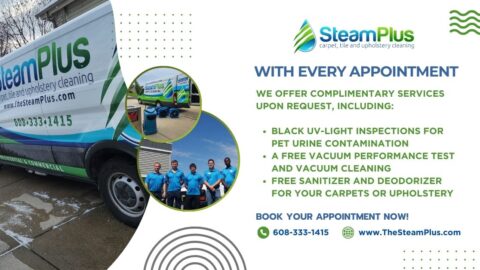
Steam Plus Carpet Cleaning and Water Restoration offers hot water extraction, advanced stain and pet odor treatments, and allergen reduction with eco-friendly products. Their model emphasizes certified technicians, truck-mounted equipment, flexible scheduling, and customer guarantees. Those assurances back up the performance benefits described above: promises such as thorough-cleaning commitments, 30-day stain warranties, and spot-removal guarantees are designed to protect homeowners’ investments. For Madison-area residents moving up from rental machines, professional guarantees and trained technicians often mean the difference between a short-lived clean and lasting carpet performance. If professional care seems right for you, request a quote or consultation from a local provider to clarify scope and expected results.
What Are the Main Disadvantages and Risks of DIY Carpet Cleaning?
DIY cleaning can cut upfront costs but brings real risks when rental machines or off-the-shelf chemicals are used without professional technique. Rentals usually have weaker suction, inconsistent heat, and limited rinsing, which raises the chance of detergent residue and faster re-soiling. Using the wrong chemicals or over-wetting can cause color bleed, fiber swelling, or shrinkage, and longer drying times increase mold and mildew risk—especially in Madison’s cooler, damper months. Time and effort are hidden costs too: repeated spot treatments and multiple cleanings quickly erode the perceived savings of DIY work.
Homeowners should balance those operational drawbacks against short-term savings and be aware of mistakes that can cause expensive, long-term damage.
Common DIY risks include:
- Weaker extraction power: Rental machines often leave soluble soils and allergens behind.
- Residue buildup: Excess detergent attracts dirt and speeds re-soiling.
- Over-wetting: Extends drying time and raises mold risk.
- Improper chemistry: Can discolor fibers or damage adhesives and backing.
Recognizing these pitfalls leads into the specific DIY mistakes that most often harm carpets.
What Common DIY Mistakes Can Damage Your Carpet?
Many DIYers over-wet fibers thinking more water equals deeper cleaning; in fact, excess moisture can push soil deeper, weaken backing, and soak into padding.
Another frequent error is using household or high-alkaline cleaners that strip factory treatments and destabilize dyes, causing fading or color runs.
Insufficient rinsing leaves surfactant residue that attracts new dirt, producing faster re-soiling and a sticky, dull feel.
Using overly stiff brushes or metal attachments can abrade pile, fray fibers, or cause matting.
Fixing these problems takes knowledge of product chemistry and drying dynamics—areas where professionals emphasize rinse cycles, pH-balanced cleaners, and calibrated agitation. Those controls lower the risk of long-term fiber damage and help carpets last longer.
How Does DIY Cleaning Affect Drying Time and Mold Growth?
Drying takes longer when extraction units can’t remove enough moisture or when carpets are over-wet, and prolonged dampness creates conditions for mold and musty odors. Rental-machine cleanings can take 24–48 hours to dry depending on ventilation and humidity, while truck-mounted systems usually shorten that window thanks to stronger suction and higher heat. In Madison, cold or humid days reduce air exchange and slow evaporation, so DIY methods that leave carpets damp carry a higher mold risk during shoulder seasons. Running fans, using dehumidifiers, and improving ventilation help, but persistent dampness or visible mildew signals it’s time to call a pro.
Preventing mold means matching method, equipment, and environmental controls—things professionals manage to limit health and structural risks.
How Do Professional and DIY Carpet Cleaning Costs Compare in Madison?
Compare DIY upfront expenses (machine rental, cleaners, your time) with professional pricing, warranties, and long-term value like extended carpet life and avoided repairs. A single DIY rental may seem cheap, but repeat cleanings, faster re-soiling, or eventual fiber damage increase lifetime cost. Professional services bundle labor, expertise, truck-mounted equipment, and guarantees that can reduce cleaning frequency and lower replacement risk. In Madison, factor in seasonal needs—mud season and pollen—and local humidity when estimating how often each approach will be needed.
| Approach | Upfront Cost Components | Long-Term Value |
|---|---|---|
| DIY Rental | Rental fee, cleaning solutions, your labor | Lower upfront cost; higher frequency and risk of damage |
| Professional Service | Service fee, trained technicians, guarantees | Higher upfront; fewer cleanings and extended carpet life |
| Hybrid (Spot DIY + Periodic Pro) | Mix of both costs | Balanced budget control with professional maintenance benefits |
What Are the Upfront and Long-Term Costs of DIY Cleaning?
Upfront DIY costs include machine rental (price varies by model and duration), cleaning solutions, spot removers, and your time. Hidden costs appear when residue or poor extraction causes faster re-soiling, prompting more treatments or a corrective professional service later. The time you spend—moving furniture, treating spots, and waiting through long drying cycles—is a real cost. Over time, improper DIY methods can lead to earlier carpet replacement or expensive restorative cleanings, offsetting any initial savings.
Seeing those hidden costs helps explain why one low-cost DIY session may not match the lifecycle economics of a professionally managed program.
How Does Professional Cleaning Offer Better Value Over Time?
Professional cleaning pays back through deeper soil and allergen removal, fiber-protection practices, and guarantees that cut the need for repeat visits. Regular professional maintenance preserves pile resilience and can delay replacement by years, improving total cost of ownership. Technicians also treat set-in stains more effectively and can apply protective finishes that reduce future staining and spot repair costs. In short, paying more up front for certified techs and truck-mounted extraction often means fewer cleanings each year and lower replacement risk.
For example, a professional treatment that restores pile and removes residue reduces the hours you spend on spot maintenance and lowers the frequency of DIY rentals—netting savings across the carpet’s life.
Steam Plus Carpet Cleaning and Water Restoration is a local example that stresses long-term value through guarantees, certified technicians, and truck-mounted systems. Choosing a provider like this can reduce repeat treatments and protect your carpet investment, making professional service cost-effective over time.
When Should Madison Residents Choose Professional Cleaning Over DIY?
Call in the professionals when carpets show set-in stains, persistent pet odors, signs of mold or mildew, heavy soiling in high-traffic zones, or when household members have allergies or respiratory issues. Professionals are also essential after water intrusion or whenever quick, thorough extraction is needed to prevent secondary damage. For routine light maintenance or a small fresh spill, DIY spot cleaning can work—but step up to pro service when visual or odor problems persist after your attempts. The checklist below helps you decide quickly.
Use this checklist to decide between DIY and pro service:
- Is the stain set-in or unchanged after spot cleaning? If yes, choose professional cleaning.
- Do odors persist despite deodorizing? If yes, choose professional odor remediation.
- Is there water damage, slow drying, or visible mold? If yes, call professionals immediately.
- Are carpets lightly soiled and recently maintained? If yes, DIY spot cleaning may be sufficient.
These simple criteria help prevent avoidable repairs and higher costs later.
Which Carpet Issues Are Best Handled by Professionals?
Professionals should handle set-in stains, complex pet-odor remediation, water damage that needs fast extraction, and any mold or mildew signs—because their equipment and chemistry are built for deep remediation and controlled drying. Pet urine, for example, often needs enzyme-based products plus thorough extraction to remove both stain and odor—something rental machines frequently fail to accomplish. Water events that soak padding and backing demand rapid truck-mounted extraction and drying protocols to prevent structural damage or mold growth. When allergies are a concern, professional allergen-reducing extraction can lower airborne particulate reservoirs effectively.
In these cases, professionals reduce risk and restore livability faster than most DIY options, so schedule expert service when problems exceed at-home fixes.
Steam Plus Carpet Cleaning and Water Restoration recommends contacting a pro for persistent odors, set-in stains, or any water intrusion; scheduling with certified technicians delivers faster remediation and lowers the chance of long-term mold or fiber damage. Getting an estimate clarifies scope and expected results so you can act confidently.
When Is DIY Carpet Cleaning Sufficient?
DIY cleaning makes sense for small, fresh spills, light routine maintenance between professional visits, and for homeowners who follow product directions and ensure quick drying. Immediate blotting of spills, using pH-balanced spotters, and limited-area cleaning for shallow soils are appropriate DIY tasks. Regular vacuuming with a high-performance vacuum and occasional spot treatments in high-traffic zones will maintain appearance until your next professional clean. Stop and call a pro when stains won’t lift, odors return, or drying takes longer than 24–48 hours.
Knowing these limits helps you use cost-effective DIY measures without causing bigger, costlier problems.
What Should You Look for in the Best Carpet Cleaning Services in Madison?
Choose a provider by checking certifications, guarantees, equipment, transparent pricing, eco-friendly options, and verified reviews. Technician training shows staff know fiber types, proper chemistries, and safe procedures. Plain-language guarantees—like a spot-removal promise or a short-term warranty on stain return—reduce risk and set expectations for any follow-up work. Use of truck-mounted systems and green detergents signals an operator’s investment in performance and occupant health, especially for homes with kids or pets.
Below is a vendor-attribute comparison to use when interviewing local providers.
| Provider Attribute | Why It Matters | What to Ask |
|---|---|---|
| Technician Certification | Ensures correct technique and safe fiber care | Are your technicians certified or trained? |
| Guarantees & Warranties | Provides recourse if results don’t meet expectations | What guarantees are included and what do they cover? |
| Equipment Quality | Directly affects extraction power and drying time | Do you use truck-mounted systems or portable units? |
| Eco-Friendly Options | Reduces indoor chemical exposure for sensitive occupants | Do you offer green or biodegradable detergents? |
How Do Certifications and Guarantees Ensure Quality?
Certifications show technicians are trained in industry-recognized practices—so they pick the right chemistry, agitation method, and drying protocol for your fibers and backing. Guarantees, such as spot-removal promises or short-term warranties, give you a clear path for follow-up if results fall short and usually include return visits when needed. Ask for plain-language descriptions of any guarantees and the conditions that apply so you understand the real protections offered.
Knowing certification and guarantee details builds trust and helps you select a provider who delivers predictable, high-quality results.
Why Are Customer Reviews and Eco-Friendly Options Important?
Customer reviews offer real-world insight into punctuality, care with property, effectiveness on tough stains, and responsiveness after the job—reading recent, verified reviews helps validate a company’s claims. Eco-friendly products reduce lingering residues, limit odors, and better protect children, seniors, and pets by avoiding harsh chemicals. Balancing peer feedback with green-product availability helps you pick a service that meets both performance and indoor-health priorities. That combination gives you cleanliness without unnecessary exposure.
This approach helps homeowners match performance expectations with household health needs when choosing a provider.
Frequently Asked Questions
What are the signs that indicate I need professional carpet cleaning?
Look for persistent stains that don’t respond to spot treatments, lingering odors despite deodorizing, heavy dirt or discoloration in traffic lanes, visible mold or mildew, or worsening allergy symptoms among household members. If you see or smell these problems, professional cleaning is a sensible next step.
Can professional carpet cleaning help with pet-related issues?
Yes. Professionals use targeted techniques and eco-friendly products—often enzyme-based cleaners—designed to break down organic matter, remove stains, and neutralize odors. High-powered extraction then removes the residues that cause lingering smells. For pet homes, regular professional cleanings can noticeably improve indoor air and freshness.
How can I maintain my carpets between professional cleanings?
Vacuum regularly—at least once a week, more in high-traffic spots. Blot spills immediately with a clean cloth and use pH-balanced spotters. Place area rugs in busy zones and consider a no-shoes policy indoors to cut tracked-in dirt. These habits extend time between professional cleanings.
What should I do if my carpet gets wet after cleaning?
Promote fast drying: open windows, run fans, and use a dehumidifier if you have one. If the carpet stays damp beyond 24–48 hours or you see signs of mildew, contact a professional promptly to avoid mold and backing damage.
Are there eco-friendly carpet cleaning options available?
Yes. Many pros offer biodegradable, low‑VOC, and non-toxic cleaning solutions that are safer for people, pets, and indoor air. Ask providers about their green options and product ingredients before booking.
How can I choose the right carpet cleaning service in Madison?
Compare certifications, recent customer reviews, guarantees, equipment, and green-product availability. Ask about methods, drying time expectations, and transparent pricing. Request multiple quotes and pick the company that answers questions clearly and backs work with plain-language guarantees.
What is the typical drying time for professionally cleaned carpets?
Drying varies by method and conditions. Truck-mounted extractions can often dry in 4–6 hours; portable or rental-machine cleanings commonly take 24–48 hours. Humidity, airflow, and carpet thickness also affect drying—so good ventilation and fans speed the process.
Is Professional Carpet Cleaning Worth the Investment?
Yes—most homeowners find professional cleaning worthwhile. It extends carpet life, improves indoor air quality, and reduces the need for repeat cleaning. Pros remove embedded soils that wear fibers and restore pile loft, delaying replacement and keeping appearance. For homes with pets, kids, or allergy sufferers, the health benefits alone often justify periodic service. If budget is a concern, try a hybrid approach: do routine maintenance yourself and schedule periodic professional cleanings to balance cost and performance.
That balance is why many Madison homeowners consider professional cleaning an essential part of home upkeep.
How Often Should Carpets Be Professionally Cleaned in Madison?
As a baseline, residential carpets benefit from professional cleaning every 12–18 months. Homes with pets, young children, heavy traffic, or allergy sufferers should consider every 6–12 months. Seasonal spikes—spring pollen or fall mud—may call for extra spot treatments or an additional cleaning after peak soiling. Base your schedule on visible soil, odors, and occupant health rather than a fixed date to get the best value from professional services.
Steam Plus Carpet Cleaning and Water Restoration recommends certified technicians, truck-mounted extraction, eco-friendly products, and clear guarantees to support these frequency guidelines. Requesting an estimate from a guarantee-backed local provider helps determine the right interval and budget for your home.
Conclusion
The choice between professional carpet cleaning and DIY in Madison affects carpet longevity, appearance, and indoor air quality. Professionals offer deeper cleaning, better allergen reduction, and faster drying—benefits DIY methods often don’t match—resulting in a healthier home and longer-lasting floors. Understand the pros and cons of each approach, use the checklists here, and reach out to a local expert for a tailored consultation when problems exceed at-home fixes.