


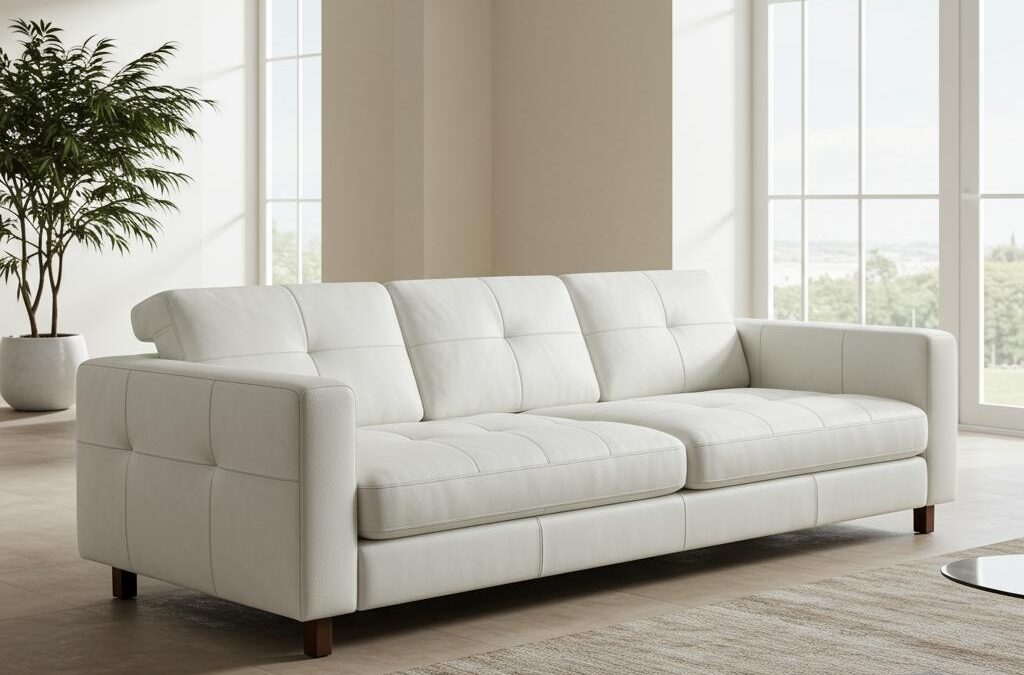
Residential upholstery cleaning helps homeowners keep sofas, chairs, sectionals, ottomans, and other upholstered furniture looking and feeling fresh. Over time, upholstery collects more than visible dust. Body oils, food particles, pet hair, pollen, spills, and everyday dirt can work their way into the fabric and cushioning.
Vacuuming is an important part of routine furniture care, but it cannot remove every type of soil. Professional cleaning can provide a deeper level of maintenance when upholstery looks dull, develops odors, or has stains that household products cannot resolve.
In Madison, WI, seasonal changes can also affect how often upholstered furniture needs attention. Mud and moisture may be tracked indoors during spring and winter, while pollen and everyday outdoor debris can accumulate during warmer months. Homes with children, pets, or frequently used furniture may also need more regular cleaning.
The right cleaning method depends on the furniture’s fabric, construction, condition, and manufacturer recommendations. That is why a professional upholstery cleaning process should begin with inspection rather than applying the same treatment to every piece of furniture.
Why Upholstered Furniture Gets Dirty
Upholstered furniture is used every day, so gradual soil buildup is easy to overlook. A sofa may look reasonably clean while still holding fine particles between its fibers and within accessible areas of the cushioning.
Common sources of upholstery soil include:
- Dust and airborne particles
- Body oils and perspiration
- Food and drink spills
- Pet hair and dander
- Pollen
- Dirt transferred from clothing
- Makeup and personal-care products
- Household odors
- Mud and moisture tracked indoors
High-use areas, such as sofa arms, seat cushions, and headrests, often show soil first. Oils from skin can attract additional dirt, making frequently touched areas appear darker or greasier than the rest of the furniture.
Professional residential upholstery cleaning is designed to address these accumulated soils while taking the characteristics of the fabric into account.
Why Upholstery Requires a Different Approach Than Carpet
Upholstery may look similar to carpet because both contain textile fibers, but the two should not automatically be cleaned the same way.
Furniture fabrics can contain natural fibers such as cotton, wool, linen, or silk, as well as synthetic materials such as polyester, nylon, or microfiber. Some pieces also have delicate dyes, decorative trim, backing materials, or cushioning that can be affected by excess moisture.
The construction of the furniture matters, too. A cleaning method that works well on one sofa may be unsuitable for another.
Before cleaning, a technician should consider:
- The type of fiber
- Fabric construction
- Color stability
- Manufacturer cleaning instructions
- Existing stains
- Previous cleaning treatments
- Condition of the fabric
- Amount of moisture the material can safely tolerate
This inspection helps determine whether the upholstery is appropriate for the planned cleaning method.
What to Expect During Professional Upholstery Cleaning
A professional cleaning appointment should be more than simply spraying a solution onto the furniture. A careful process helps reduce the risk of unnecessary moisture, color changes, or damage.
1. Inspection
The process begins by examining the furniture. The technician identifies the fabric when possible, checks for visible stains, looks for areas of wear, and considers the furniture’s overall condition.
Cleaning codes may also provide useful information. Upholstery manufacturers commonly use codes such as W, S, WS, and X to indicate which types of cleaning methods are appropriate.
For example, a “W” designation generally indicates that water-based cleaning may be suitable, while an “S” designation indicates a solvent-based approach. “WS” means either water-based or solvent-based cleaning may be appropriate, while “X” generally indicates that the material should only be vacuumed or lightly brushed.
These codes should be considered along with the actual condition and construction of the furniture.
2. Dry Soil Removal
Loose dirt and debris should be removed before deeper cleaning begins. Thorough vacuuming can remove particles from the surface, seams, crevices, and other accessible areas.
This step is particularly useful for furniture that has accumulated pet hair, crumbs, dust, and other loose debris.
3. Spot and Stain Assessment
Not every stain responds to the same treatment.
Food, grease, beverages, ink, cosmetics, and pet-related accidents can behave differently depending on the substance, fabric, and length of time the stain has been present.
A professional may identify particularly soiled areas and select an appropriate treatment rather than using one chemical on the entire piece.
It is important to understand that cleaning and stain removal are not always the same thing. Cleaning removes accumulated soil, while stain treatment is intended to address a specific discoloration. Some stains may permanently alter the fabric or dye, making complete removal impossible.
4. Appropriate Cleaning Solution
Cleaning solutions are selected according to the upholstery material and the type of soil being addressed.
A cleaning product may contain surfactants, which help loosen oily and particulate soils so they can be removed more effectively. The solution should be applied in an amount appropriate for the fabric rather than saturating the furniture unnecessarily.
More chemical is not automatically better. Excessive product can leave residue behind and may contribute to rapid resoiling.
5. Agitation When Appropriate
Some upholstery can benefit from gentle agitation to help loosen soil from the fibers.
The technique and amount of agitation should be adjusted according to the material. Delicate fabrics may require a much gentler approach than durable synthetic upholstery.
6. Extraction or Other Removal Method
When the fabric is suitable for water-based cleaning, hot water extraction may be used.
Hot water extraction involves applying a controlled amount of cleaning solution and water and then removing the loosened soil with vacuum extraction. The goal is to remove both the soil and as much cleaning solution as practical.
Other upholstery materials may require a low-moisture or solvent-based method instead. There is no single cleaning technique that is appropriate for every type of furniture.
7. Drying
After cleaning, airflow can help the upholstery dry properly. Drying time varies depending on the fabric, amount of moisture used, room temperature, humidity, and airflow.
Homeowners should avoid immediately covering freshly cleaned furniture with blankets or placing items on damp cushions. Allowing the furniture to dry thoroughly is an important part of the process.
How Madison’s Seasons Can Affect Upholstery
Madison’s changing seasons can introduce different types of debris into a home.
During spring, melting snow and wet conditions can increase the amount of mud and moisture tracked indoors. Spring and summer can also bring increased pollen and outdoor particles.
Summer activities may mean more frequent use of patios, parks, and outdoor spaces, which can increase the amount of soil brought into the home on clothing and pets.
During fall and winter, residents spend more time indoors. Furniture may receive heavier daily use, while wet or snowy conditions can contribute to additional soil around entryways and living areas.
These seasonal factors do not mean every homeowner needs professional cleaning on a fixed schedule. Instead, furniture should be evaluated based on its use, appearance, fabric type, and household conditions.
How Often Should You Clean Your Upholstery?
There is no universal schedule for every household.
A lightly used chair in a guest room may require cleaning less frequently than a sectional used every day by a family with pets. Homes with children, pets, allergies, or high-traffic furniture may need more frequent professional attention.
Between professional cleanings, homeowners can help maintain upholstery by:
- Vacuuming furniture regularly
- Cleaning spills promptly
- Following the manufacturer’s care instructions
- Avoiding excessive moisture from DIY cleaning
- Rotating removable cushions when appropriate
- Keeping pets’ paws reasonably clean before they get on furniture
- Avoiding harsh household chemicals unless specifically approved for the fabric
Regular maintenance can help prevent soil from becoming deeply established.
Why DIY Upholstery Cleaning Can Go Wrong
Store-bought upholstery cleaners can be useful in some situations, but homeowners should be cautious about applying unfamiliar products to valuable furniture.
One common problem is using too much water. Upholstery may take longer to dry when heavily saturated, particularly in poorly ventilated areas. Excess moisture can also affect certain fabrics, cushion materials, or furniture components.
Another issue is choosing the wrong cleaning product. A solution that works on one synthetic fabric may not be appropriate for a natural fiber or delicate textile.
Aggressive scrubbing can also create problems. Repeated rubbing may alter the appearance of some fabrics, spread a stain, or damage weakened fibers.
When in doubt, check the furniture manufacturer’s care instructions or consult an upholstery cleaning professional before applying a new product.
Choosing a Residential Upholstery Cleaning Professional
When comparing upholstery cleaning companies in Madison, homeowners should look beyond advertising claims and ask practical questions.
Consider whether the company:
- Explains its cleaning process clearly
- Inspects furniture before cleaning
- Takes fabric type into account
- Discusses potential limitations with stains
- Uses appropriate cleaning solutions
- Explains expected drying times
- Provides pricing information before work begins
- Has relevant experience with residential upholstery
- Answers questions about protecting delicate materials
Experience matters because upholstery can vary significantly from one piece to another. A careful technician should be willing to explain why a particular method is appropriate rather than treating every item identically.
For homeowners looking for professional residential upholstery cleaning in Madison, Steam Plus Carpet Cleaning and Water Restoration provides upholstery cleaning services from its Madison location. The company is owned by Alex Govorukha, who has more than 16 years of experience in the cleaning industry and works with residential carpet, upholstery, and hard-surface cleaning.
Common Upholstery Cleaning Questions
Can professional cleaning remove every stain?
No. Results depend on the type of stain, how long it has been present, the fabric, previous cleaning attempts, and whether the stain permanently affected the fibers or dye. A professional can assess the stain and explain what results may reasonably be expected.
How long does upholstery take to dry?
Drying time varies. Fabric type, cleaning method, moisture level, room conditions, humidity, and airflow all influence drying. A technician should provide guidance based on the specific furniture being cleaned.
Can all sofas be cleaned with water?
No. Some upholstery fabrics are not suitable for water-based cleaning. Always check the manufacturer’s care instructions and cleaning code before choosing a method.
Is hot water extraction appropriate for upholstery?
It can be appropriate for certain water-cleanable fabrics when performed correctly. The amount of moisture, cleaning solution, pressure, and extraction should be adjusted to the material.
Should I clean a spill immediately?
Yes. Prompt action can help prevent a spill from becoming more difficult to address. Blot liquid with a clean absorbent cloth rather than aggressively rubbing the area. Avoid applying multiple cleaning products without knowing whether they are compatible with the fabric.
How can I maintain my sofa between professional cleanings?
Regular vacuuming is one of the simplest steps. Pay attention to seams, cushions, arms, and other areas where dust and debris accumulate. Follow the manufacturer’s instructions for any additional care.
Simple Upholstery Cleaning Glossary
| Term | Simple Explanation |
|---|---|
| Surfactant | An ingredient in many cleaning solutions that helps loosen soil so it can be removed. |
| Hot Water Extraction | A cleaning method that uses water and cleaning solution followed by vacuum extraction to remove loosened soil. |
| pH | A measurement used to describe how acidic or alkaline a solution is. Cleaning products should be selected with the material in mind. |
| Cleaning Code | A manufacturer’s designation that indicates which cleaning approaches may be suitable for a particular upholstery fabric. |
| Pre-treatment | A cleaning solution applied before the main cleaning process to help loosen specific types of soil or stains. |
| Extraction | The process of removing water, cleaning solution, and loosened soil from a material using vacuum equipment. |
| Low-Moisture Cleaning | A cleaning approach that uses less liquid and is appropriate for certain fabrics or situations. |
Keep Your Furniture Cleaner With the Right Approach
Residential upholstery cleaning is most effective when the method matches the furniture rather than relying on a one-size-fits-all process. Fabric type, construction, soil level, stains, manufacturer recommendations, and previous cleaning should all be considered before treatment begins.
For Madison homeowners, regular vacuuming and prompt spill care can help maintain upholstered furniture between professional appointments. When deeper cleaning is needed, an experienced professional can assess the material and determine an appropriate cleaning approach.
The goal is not simply to make a sofa look cleaner for a short time. Proper upholstery care should focus on removing accumulated soil while respecting the fabric and condition of the furniture. With the right maintenance routine and professional cleaning when appropriate, homeowners can keep frequently used upholstered pieces looking better and ready for everyday life.